Introduction
Running a warehouse or logistics operation involves many moving parts, and with so much focus on efficiency, it’s easy for hidden energy drains to go unnoticed. From lighting and heating to equipment and operational processes, small inefficiencies can quickly add up, leading to higher energy costs and unnecessary waste.
In this guide, we explore some of the most common energy-draining habits in warehouse environments, how to address them, and the practical steps your business can take to operate more efficiently and sustainably.
What Are the Implications of Energy Waste for Warehouse Businesses
Energy waste can have a significant impact on warehouse and logistics businesses. Because warehouses often operate in large spaces with long running hours, even small inefficiencies can quickly stack up into significant losses.
High energy costs
One of the most immediate consequences of energy waste is increased energy costs. Lighting, heating, cooling, and equipment, such as conveyor systems or forklifts, can consume large amounts of energy if not used efficiently.
Negative impact on sustainability goals
Energy waste and energy-draining habits also make it more difficult for businesses to meet sustainability targets. With many warehouse businesses working towards net zero and carbon emission targets, failing to target energy inefficiencies will make it harder to demonstrate progress towards environmental goals.
A warning sign of underlying issues
Excessive energy use could also indicate that something within your building or equipment is not functioning as it should. Faulty HVAC systems, outdated lighting, poorly insulated buildings, or poorly maintained machinery can all lead to excessive consumption. So, identifying and addressing these issues early can help avoid costly repairs in the future.
Limited visibility over energy usage
For many warehouse businesses, energy overspending can happen simply because there is limited visibility over how energy is being used. Lack of proper energy monitoring and analysis can make it difficult to identify where energy is being wasted, meaning it is more difficult to make informed decisions about efficiency improvements and cost-saving opportunities.
5 Hidden Energy Drains in Your Warehouse Business and How to Fix Them
Many businesses focus on major energy costs like lighting and heating when targeting warehouse sustainability, but smaller, less obvious factors can quietly drive up your bills. Identifying these hidden energy drains can make a big difference to your overall operating costs.
1. Open doors and loading bays
Leaving loading bays and warehouse doors open is an energy-draining habit that can impact the temperature fluctuations inside your warehouse, something that is particularly important for temperature-controlled facilities. When doors are left open for extended periods, heated air escapes in winter and cool air escapes in summer, forcing HVAC systems to work much harder than usual to maintain desired temperatures.
This leads to increased heating demand during colder months and higher cooling demand in warmer weather. Over time, this constant strain can increase energy costs, as well as cause systems to degrade faster, leading to more regular and costly maintenance.
Luckily, reducing heat loss around loading bays is one of the simplest ways to cut unnecessary energy use. Keeping bay doors closed when they are not in use can help maintain a stable indoor temperature and reduce strain on heating and cooling systems. Simple upgrades such as installing automatic doors or motion sensors can help ensure doors close quickly after vehicles or staff pass through.
Warehouses can also benefit from zoned heating systems, which allow specific areas to be heated independently rather than warming the entire building. Improving insulation and ensuring door seals are in good condition can further reduce heat loss and improve temperature control.
2. Compressed air leaks
Compressed air systems are used in lots of warehouses to power machinery such as conveyor belts, automation tools and packaging equipment. There is a common misconception that compressed air is a cheap or even “free”, but this is not the case.
In reality, compressed air relies on electricity to generate, and even small leaks can be costly. According to the Carbon Trust, a single 3mm hole in a compressed air system can cost a business around £1,000 per year in additional electricity costs.
Regular audits of compressed air systems can help identify leaks before they get worse. Maintenance teams should routinely inspect pipe joints, fittings and valves, and listen for a hissing sound that often indicates a leak. More advanced solutions such as ultrasonic leak detection equipment can also be used to pinpoint small leaks that are difficult to find manually.
Installing automatic shut-off systems can also prevent compressed air from running when it is not needed. Even small adjustments can make a difference, for example, reducing system pressure by just 1 bar can lower energy consumption by around 7%.
3. Automation and robotisation systems
As technological advancements are made, automation, electrification, and the robotisation of traditionally manual processes are becoming more common in modern warehousing operations. From autonomous picking systems to AI inventory management, these advancements are changing the way fulfilment centres operate.
Research from Impact Express suggests that up to 70% of UK fulfilment centres are expected to incorporate AI into their operations by 2027, with this number rising to 90% of warehouse logistics tasks globally by 2030, meaning automation is rapidly becoming the industry standard.
Although these technologies are beneficial for reducing labour cost and speeding up operations, they also significantly increase energy demand. Automated systems and robotics require a substantial power supply, causing significant increases in energy costs.
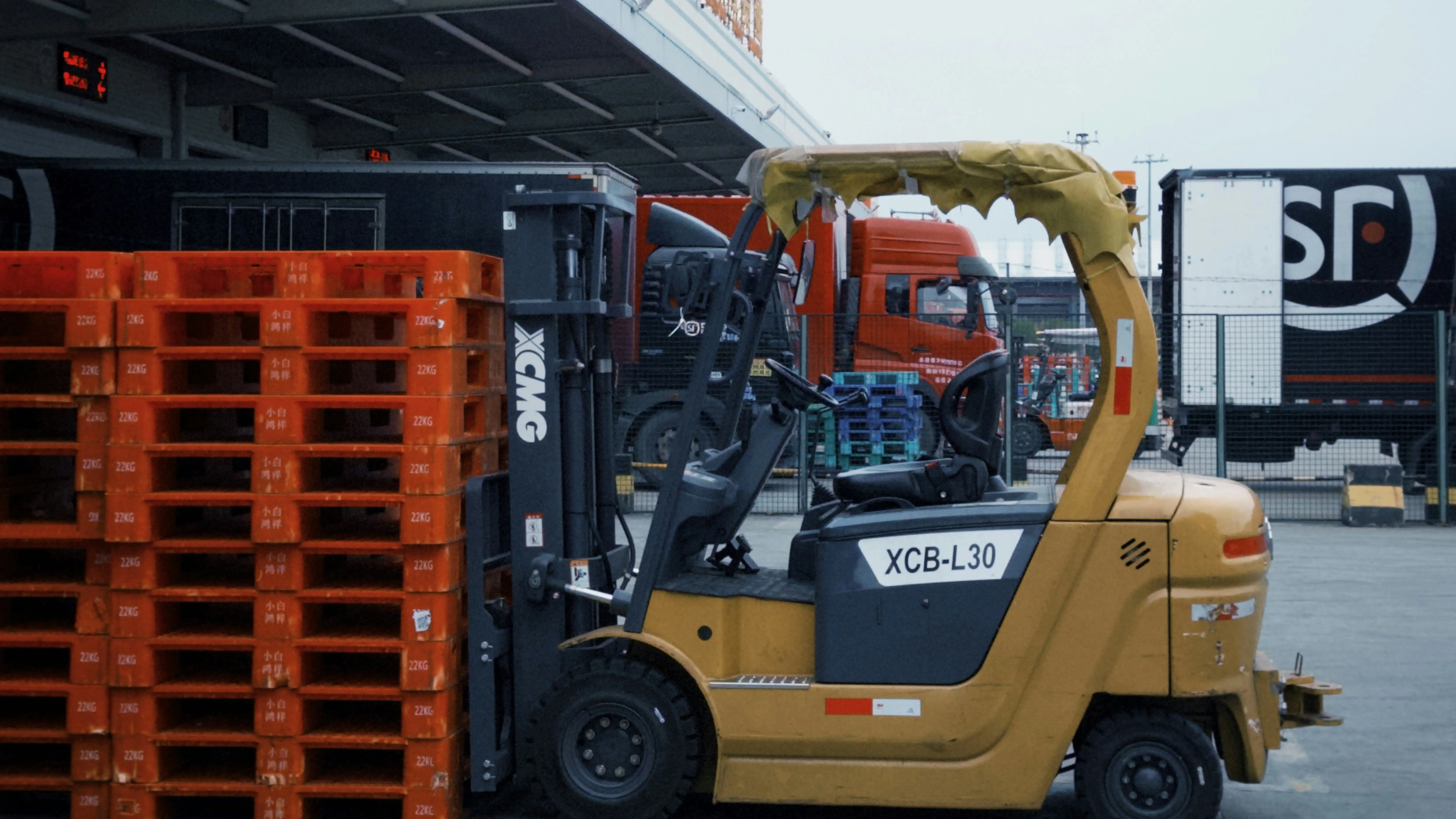
The introduction of equipment such as electric forklifts also contributes to this energy demand. Although EV equipment is a popular and effective way to reduce direct emissions and lower fuel costs (compared to traditional internal combustion alternatives) they also add to overall electricity consumption, particularly when fleets require frequent charging.
As a result, whilst automation and electrification are key ways to increase warehouse productivity, they can create a hidden energy drain that can add up to significant costs if not carefully offset.
4. Equipment charging and phantom loads
Charging equipment such as forklifts and other warehouse machinery can also contribute to hidden energy waste. Older battery chargers are often less efficient and convert more electricity into heat instead of charging power. In addition, batteries that are poorly maintained or nearing the end of their lifespan require more energy to charge and may not hold their charge effectively.
Another often-overlooked factor is phantom loads, where chargers continue to draw electricity even when equipment is fully charged or not actively in use. This happens when chargers are left plugged in or on standby between charges. Although the energy used by a single charger may seem small, it can add up quickly over time.
Charging multiple machines at the same time can also create electricity demand spikes- increasing energy costs and putting strain on electrical infrastructure.
Switching up your charging schedules is a great way to target energy-saving in warehouses without having to invest in any new tech.
Where possible, charging equipment such as forklifts during off-peak electricity periods can reduce demand charges and overall energy costs. Avoiding overcharging is also important, as it wastes electricity and can shorten battery life. By implementing proper battery care and maintenance, you can prevent degradation, ensuring batteries operate efficiently and require less energy to recharge. Staggering charging times can also prevent demand spikes and reduce stress on the electrical infrastructure.
5. Lack of energy monitoring
Poor energy monitoring is an indirect energy-draining habit, as without proper energy monitoring systems in place, it can be difficult for warehouse businesses to understand exactly where and when their energy is being consumed.
In complex operations, small inefficiencies can easily go unnoticed for long periods, allowing waste to accumulate, causing hefty energy bills with no clear indication of where the energy is being used.
Monitoring systems such as submeters and smart meters help businesses identify peak electricity demand, track usage patterns and highlight unusual consumption. When energy usage is visible and regularly reported, it also encourages staff and management to become more aware of consumption and prioritise warehouse sustainability practices.
Regular energy audits can also identify opportunities for improvement and highlight unusual usage patterns. They also allow you to establish a clear energy baseline for you to measure the progress of any new efficiency measure over time.

How Ennovus Can Help You Reduce Energy Waste and Boost Efficiency in Your Warehouse Business
If you’re ready to kick your energy-draining habits and start tackling inefficiencies in your warehouse, Ennovus can support you.
Investing in an energy audit is a great first step to help you better understand your site and requirements. They act as a ‘health check’ to examine the areas where you are using the most energy and create an easy-to-implement ‘shopping list’ of energy efficiency and costs saving measures.
If you’re looking to take your warehouse sustainability even further, investing in renewable energy self-generation could be a smart next step. Warehouses are often ideal candidates for solar installations due to their large, unobstructed roof space to house solar panels. Generating your own renewable energy is also a great way to shift your reliance away from the grid, avoiding market price shocks and protecting your business. It also provides a practical way to offset the rising energy demands associated with automation and introduction of robotics.
Ennovus can also work with you to develop a decarbonisation strategy to assess the viability of new technologies to help you cut energy costs. We then help you implement the recommendations so you can maximise your efficiency.
We offer turnkey renewable energy solutions, managing the entire process from initial assessment and system design through to installation and commissioning. If you’re interested in exploring how solar or wind could work for your site, get in touch with our team today to learn more.