Introduction
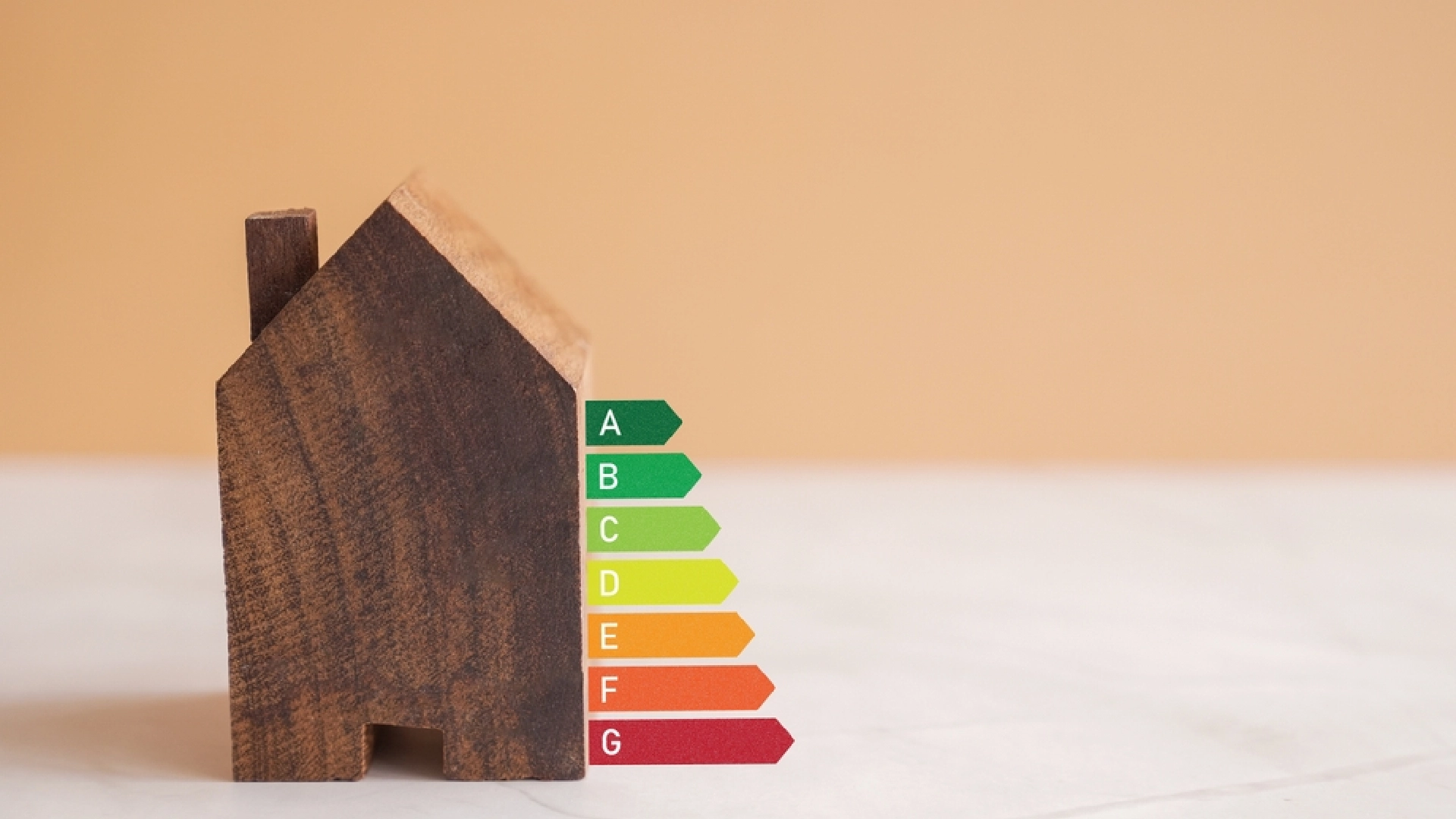
Renewable energy technology is gaining traction, with renewables now providing over half of the UK’s electricity generation, the shift towards greener power is evident.
For businesses, investing in renewable solutions can reduce energy bills, lower carbon emissions, and increase long-term energy security. But successful renewable energy planning involves far more than simply choosing a system and booking an installation.
In this guide, we explore the benefits of going green, outline the main technology options available, and highlight the important considerations you should review before getting started.
What Are the Different Types of Renewable Energy Technology?
Renewable energy technologies generate energy from natural sources such as sunlight, wind, water, and biological materials. Unlike fossil fuels, they produce little to no greenhouse gas emissions during operation, making them a great option for organisations wanting to work towards their sustainability and net zero targets.
There are a number of different types of renewable energy technologies available, with the most common being:
Solar energy
Solar energy involves collecting the sun’s light and heat radiation using photovoltaic (PV) panels and converts it into electricity. PV panels contain semiconductor cells that generate an electric current when exposed to sunlight. Solar panels can be installed in a range of locations, including rooftops, carports, solar farms and residential properties.
Solar panels are one of the most popular renewable energy technologies because they are relatively low maintenance, and suitable for both domestic and commercial properties.
Wind energy
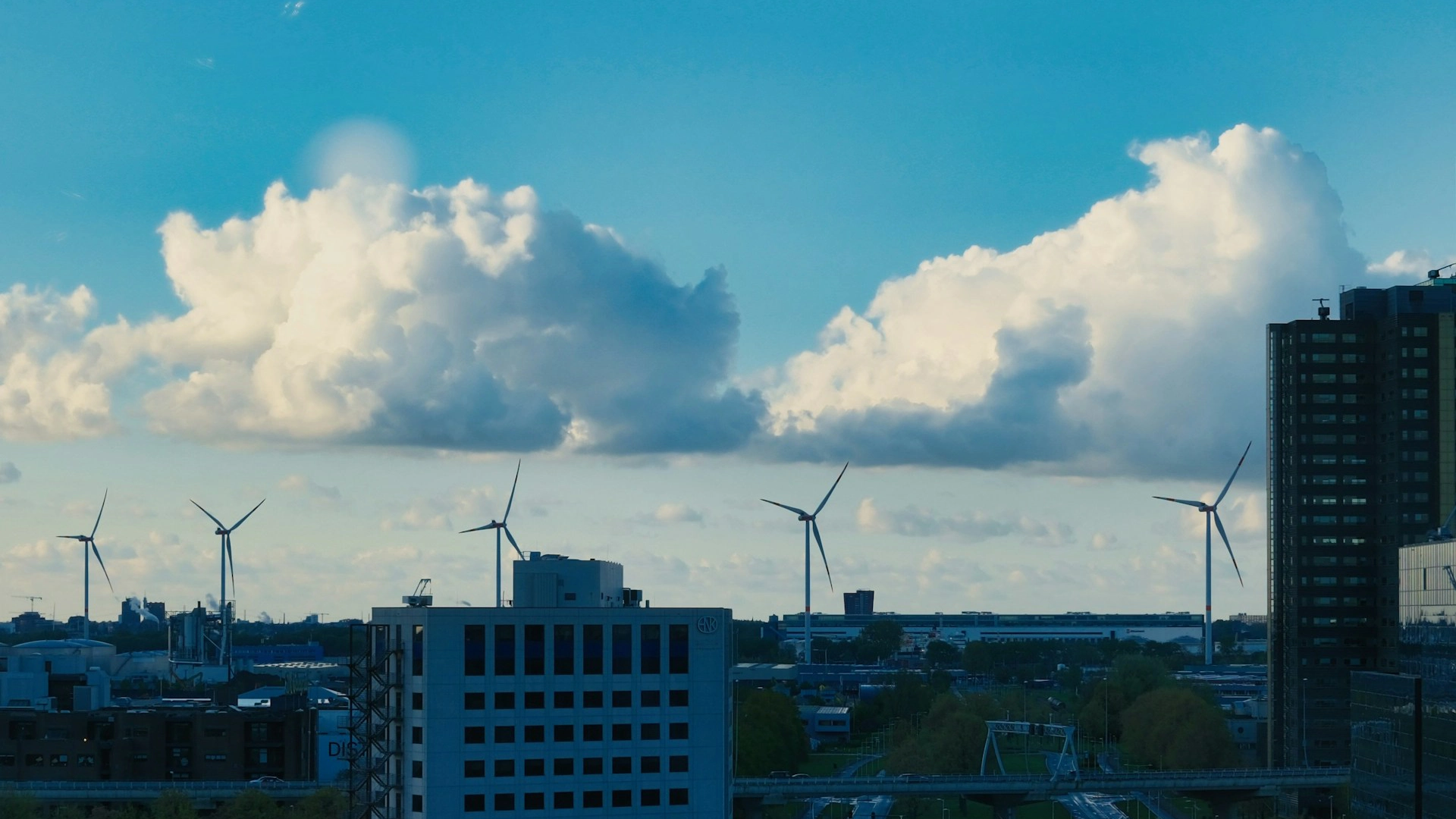
Wind power converts the kinetic energy of moving air into electricity using turbines. As the wind turns the blades, it spins a generator inside the turbine to produce power.
Commercial wind turbines can be installed both onshore (often in rural areas) and offshore (at sea, where wind speeds are often higher).
Wind energy plays a major role in national energy grids and can be a great energy source for businesses. However, turbines are typically larger structures and are less suitable for dense urban environments due to space and planning considerations.
Heat pumps
Heat pumps are electric-powered heating and cooling systems that transfer thermal energy from the outside air, ground, or water into a building. Instead of generating heat directly by burning fuel, they move existing heat making them highly energy efficient.
Main types of heat pumps include air-source heat pumps (ASHPs), ground-source heat pumps (GSHPs) and water-source heat pumps.
Each renewable energy technology has different advantages depending on location, energy demand, available space, and budget. In many cases, combining technologies (for example, solar panels with heat pumps and battery storage) can help you get the most out of your energy efficiency, as well as supporting long-term cost savings.
5 Things You May Not Have Considered When Installing Renewable Energy Technology
When it comes to renewable energy planning, there are lots of things to consider before you get started. From understanding your energy usage patterns to assessing the space you have available, making informed decisions early on can help you get the most out of your renewable energy.
1. What is the best type of renewable energy technology for you?
The most suitable type of renewable energy technology for your business will depend on a number of factors, and there’s no one-size-fits-all solution.
Firstly, you need to understand your energy demand and load profile. This involves working out when you use the most electricity e.g. during the day or overnight, or seasonally. A detailed analysis of your consumption patterns will help determine which system can best meet your needs.
Your location also plays a role. Businesses in rural areas with larger premises may have more flexibility for ground-mounted systems or mid size wind turbines, while urban sites may need to work within tighter space constraints and planning regulations.
Solar installations can be adapted to different environments such as roof-mounted solar PV systems, solar carports for parking areas, and ground-mounted arrays where space allows. Wind energy can also be tailored to suit your site. There are different types of turbines available, including smaller-scale models designed specifically for sites with limited space or lower wind speeds.
The ‘best’ option for you is one that aligns with your energy usage, available space, budget, location, and long-term sustainability goals, so taking time to assess and properly understand these factors is a great starting point.
2. Are you staying compliant?
Installing renewable energy technology isn’t just about choosing the right system, you also need to make sure you’re meeting all legal and regulatory requirements. Overlooking compliance can lead to delays, fines, or even the need to remove installed equipment.
Certain installations may require planning permission and approval from your local planning authority, particularly if your project is large or in a sensitive location such as near to residential areas, roads, airports etc.
If you don’t own the property outright, you’ll also need to obtain consent from the landlord or property manager before making changes. Heritage sites or listed buildings often have strict restrictions on modifications, even for renewable energy systems, so special permits may need to be obtained.
It is important to address any potential compliance issues early, so you can avoid unexpected obstacles.
3. What’s the Best Way to Finance Your Renewable Energy Project?
Investing in renewable energy technology can require significant upfront investment. When planning your project, it’s important to consider how costs will be covered, what funding options are available, and how providers can support you throughout the process.
Renewable technology costs vary depending on the type of technology you choose, the size of the installation, and any necessary engineering, planning, and grid‑connection work. By collecting quotes from different installers, you can build a solid cost estimate to help shape your budget and financing decisions.
Government and industry grants can significantly reduce the amount you pay for your renewable energy technology. The UK government is encouraging the uptake of renewables for businesses as we approach net zero deadlines and as a result, may offer eligible businesses grant options to help finance projects. You can check what government grants are available in your area here:
In addition, schemes such as community energy funding programmes are emerging to support community‑led renewable energy work, offering financial support for solar, wind, heat pumps, and other clean energy systems. These programmes aim to reduce the financial barriers that often hold back projects and help businesses work towards their sustainability goals.
At Ennovus Solutions’, we offer a range of funding models designed to fit different business needs. For example:
- Power Purchase Agreement (PPA) allows you to benefit from renewable energy technology without the upfront cost of installing a system. Ennovus provides a fully managed solution, covering installation, maintenance, and insurance within a single package.
Instead of paying upfront for the system itself, you pay an agreed rate for the energy it generates, plus a small amount towards paying off the system. For roof-mounted solar systems, the total rate is typically around 10–12 p/kWh – significantly lower than purchasing electricity directly from the grid. You don’t pay anything until the system is up and running, removing the barrier of upfront costs and meaning you can benefit from savings from day one.
- Supply Contract Integration (SCI): Integrates the cost into your energy supply contract at a small uplift per unit, turning the system into a self‑repaying investment over time. (Where your energy is supplied by our sister company, Consultus International.)
- Hire Purchase (HP): Traditional financing with fixed monthly instalments, giving you ownership at the end of the term.
- Energy as a Service (EaaS): Ennovus owns and operates the system while you pay a regular fee — keeping the asset off your balance sheet.
4. How will you manage maintenance?
Installing renewable energy technology is just the beginning and keeping it running efficiently requires ongoing maintenance planning.
Even the most reliable systems need periodic checks, cleaning, or minor repairs, so it is important to factor these costs into your budget from the start. Solar panels may need annual inspections, whereas wind turbines or complex battery systems might require more regular servicing.
You should also decide whether maintenance will be handled in-house or by your provider. Some companies offer full-service packages, whilst others may require your team to manage routine upkeep.
5. Who is the best installer for your project?
An essential part of renewable energy planning involves finding a reliable and reputable installer. The right partner can make a huge difference in performance and longevity of the equipment, and your overall experience.
When selecting an installer, you should look for companies with experience and knowledge of the type of technology you’re installing. You should also evaluate the information they provide. Is it accurate and factual? A knowledgeable installer should be able to answer your questions clearly and confidently.
Taking the time to vet your installer ensures your renewable energy project is installed safely, and efficiently, giving you peace of mind.

What Are the Benefits of Renewable Energy?
Harnessing the power of renewable energy has a range of advantages, not just for the planet, but your business, employees and customers too.
Carbon footprint
By powering your business with renewable energy, whether you generate it on-site through technologies such as solar panels or wind turbines or purchase it through a Power Purchase Agreement (PPA), you can significantly reduce your carbon footprint and overall environmental impact and decrease your reliance on fossil fuels.
Compliance
As we draw closer to UK net zero targets, there is mounting pressure on businesses to comply with both emissions and reporting targets. Transitioning to renewable energy technologies can play a significant role in meeting these obligations. By reducing Scope 2 emissions you can stay compliant with frameworks such as Streamlined Energy and Carbon Reporting (SECR) and the UK’s legally binding commitments under the Climate Change Act 2008.
Investing in renewable energy not only helps ensure regulatory compliance but also supports accurate carbon reporting and reduces the risk of facing financial penalties.
Corporate Social Responsibility (CSR)
Corporate Social Responsibility (CSR) is a strategic approach that ensures a business operates in a way that positively impacts its community, environment, and employees. What was once viewed as optional is now widely recognised as a core responsibility, with many stakeholders increasingly expecting measurable environmental action and transparent reporting as part of an organisations CSR.
A key component of modern CSR is environmental responsibility. By investing in renewable energy technology, businesses can take a long-term approach to reducing their carbon emissions and improving energy efficiency. With on-site solar generation, wind turbines or battery storage demonstrating a clear and visible commitment to sustainability.
Predictable energy costs
The energy market has been highly volatile over recent years and wholesale prices can fluctuate sharply due to global constraints, supply and demand fluctuations, and geopolitical uncertainty. This can make budgeting and long-term financial planning challenging for businesses.
By investing in on-site renewable energy generation technology, you can significantly reduce your reliance on the grid and protect your business from sudden price spikes. Renewable energy systems have low operating costs once installed, meaning the majority of your energy spend becomes more stable and predictable over time.
Brand Image
More and more consumers are beginning to place greater importance on sustainability both in products and how businesses operate. According to a survey by BusinessDasher, 92% of consumers say they are more trusting of brands that are socially responsible or environmentally friendly.
This highlights a clear opportunity for businesses to strengthen their reputation through visible sustainability initiatives. By investing in renewable energy planning and adopting renewable energy technology, organisations can demonstrate a genuine commitment to reducing their environmental impact.
Operational resilience
Investing in renewable energy infrastructure can help strengthen your business’s operational resilience by reducing reliance on external energy suppliers and protecting your business from grid disruptions and price volatility. On-site renewable energy systems, particularly when combined with battery storage, provide greater energy security and continuity during outages or peak demand periods.
Through strategic renewable energy planning, businesses can build a more stable and self-sufficient energy supply; building resilience as well as supporting long-term sustainability goals.

Ready to Start Your Renewable Energy Journey?
If you’re ready to take the next step in renewable energy planning, our team at Ennovus is here to guide you every step of the way.
We can carry out feasibility studies to help determine the best type of renewable energy technology for your business, taking into account site constraints, energy demand, budget, and long-term sustainability goals.
From there, we design and deliver fully integrated, turnkey solutions across solar PV, wind energy, and heat pump systems, ensuring a seamless transition from concept to commissioning.
If you want to take things even further, we can look at a full site decarbonisation strategy, considering a number of different technologies and recommendations to significantly reduce your carbon emissions.
Whether your goal is to lower operational costs, reduce carbon emissions, meet compliance targets, or reduce exposure to energy market volatility, we can help make it happen.
Get in touch today to start building a cleaner, more resilient energy future for your business.