Introduction
Wind turbines offer a solution for businesses looking to take greater control of their energy, reduce their carbon footprints and make a visible commitment to their sustainability goals.
However, despite the growing use of wind technology, there are still many misconceptions surrounding wind turbines. Concerns about cost, noise, wildlife, and return on investment can make businesses unsure whether wind power is the right choice for them.
In this blog, we debunk five common wind turbine myths and separate them from the facts, helping you better understand the technology and how it could work for your business.
How Do Commercial Wind Turbines Work?
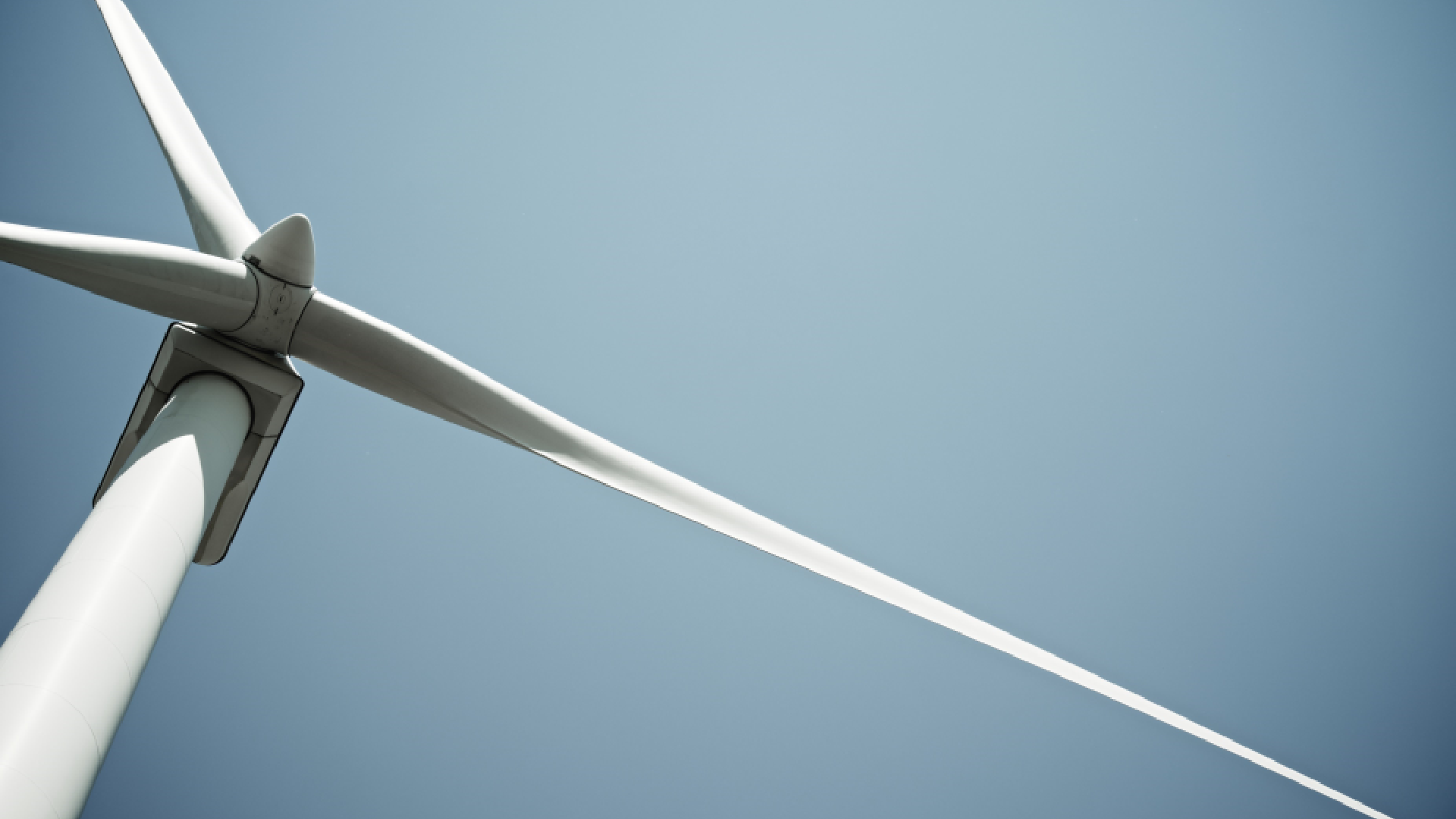
Commercial wind turbines work by collecting kinetic energy from the wind and converting it into electricity. When the wind blows, it turns the turbine’s blades, causing a rotor and shaft to spin. This spinning motion powers a generator, which produces electricity. The electricity is then transferred through power lines to the electrical grid which is used to power homes and businesses.
There are two main types of wind turbines:
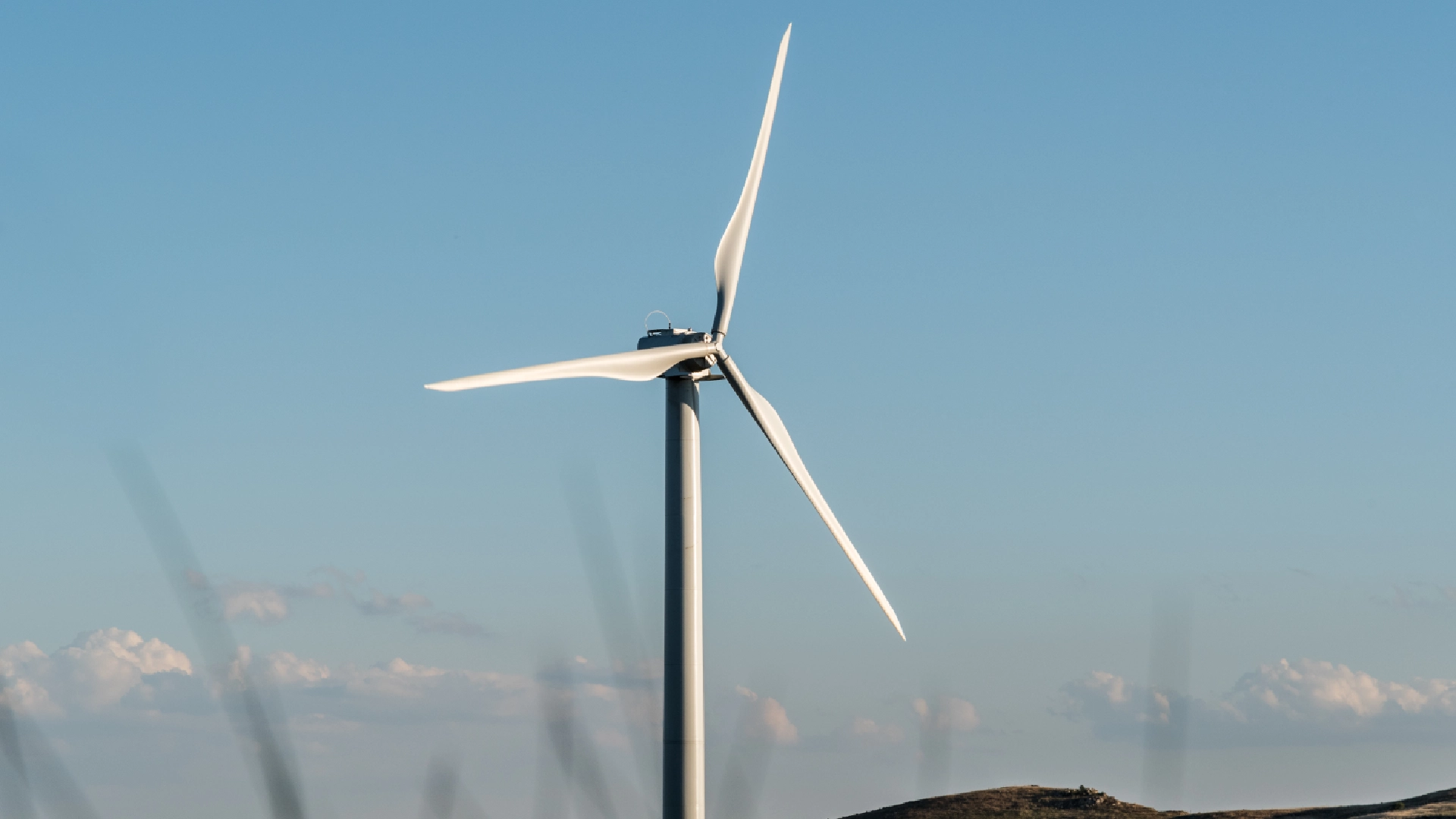
- Horizontal Axis Wind Turbines – These are the turbines you are likely to have seen in rural areas or offshore, with propeller-like blades that operate on a horizontal axis parallel to the ground.
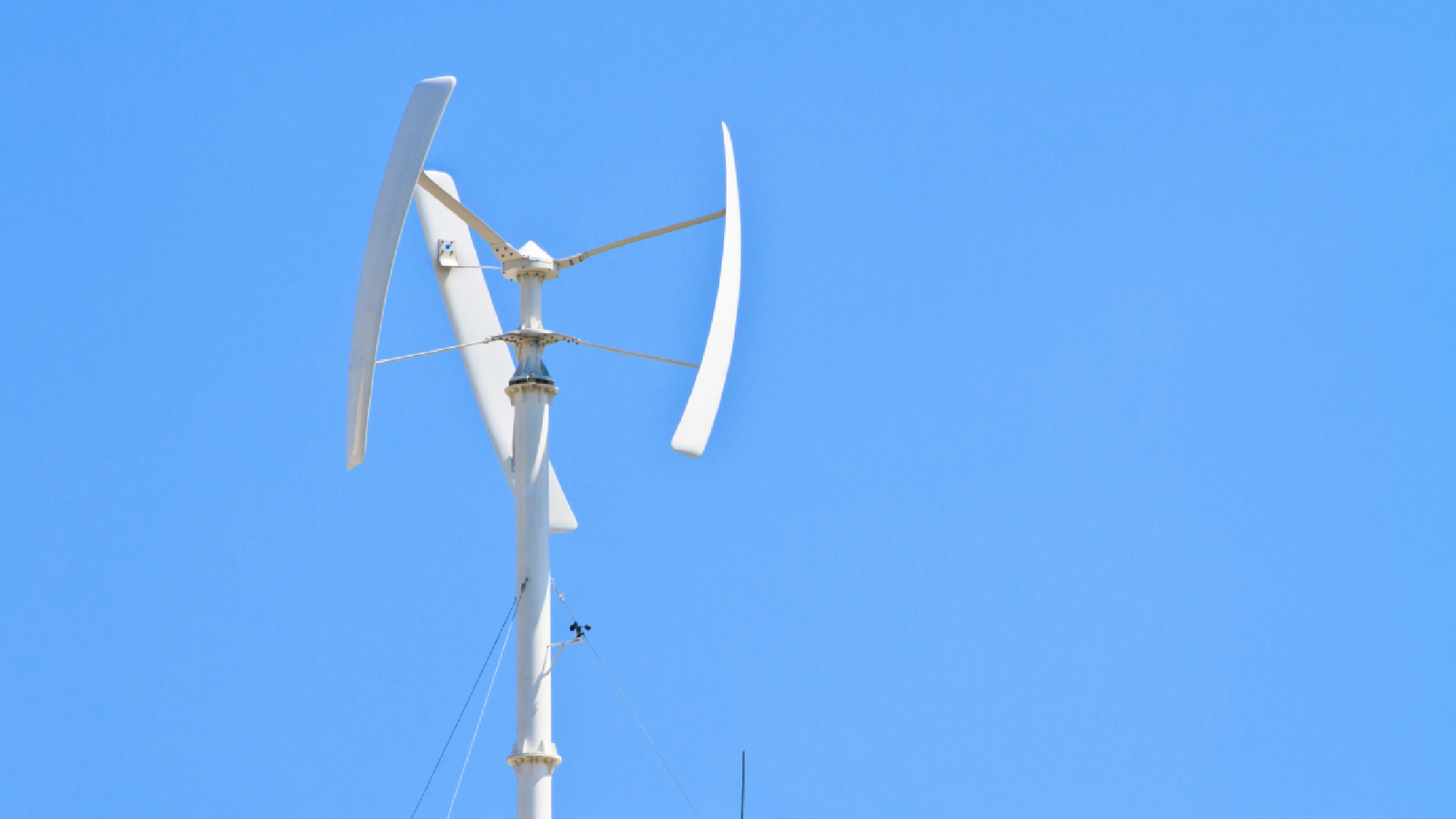
- Vertical Axis Wind Turbines – These are smaller turbines that resemble whisks or eggbeaters, with blades that rotate around a vertical axis.
Commercial wind turbines are a popular option for businesses wanting to reduce their Scope 2 emissions and benefit from consistent on-site renewable generation.
Wind Turbine Myth 1: Wind Turbines Are Expensive to Install and Don’t Generate Enough Energy to Justify Their Cost
Although wind turbines do require a substantial upfront investment, planning, and groundwork, the benefits are considerable, and a well-designed and appropriately sited turbine can provide long-term energy generation and support your sustainability goals.
With the average lifetime cost of energy from a 2 MW wind turbine estimated at less than 4p/kWh, wind power can offer exceptional value, generating substantial amounts of clean electricity over its operational lifetime and more than justifying the initial investment.
If your turbine produces more electricity than you use, paring your turbines with a battery system is a great way to make your energy go further.
There may also be opportunities to export surplus electricity to the grid, creating an additional revenue stream for your business. Where suitable grid connections are available, converter-interfaced generation systems can often access some of the most favourable export tariffs.
When considering a commercial wind turbine installation, it is important to calculate how much electricity your system can generate during its operational lifetime. Your return-on-investment period will vary largely depending on factors such as the amount of energy you use, your location, turbine size, and whether you choose to export energy back to the grid. Ongoing operating and maintenance costs should also be factored into the calculation, alongside the turbine’s long operational lifespan.
This is why a feasibility study is an important first step. Assessing the wind resource, expected generation, grid connection, planning requirements and overall commercial viability can help determine whether a turbine is suitable for your site and if the long-term savings it can deliver justify the investment.
Wind Turbine Myth 2: You Can Only Have Wind Turbines in Rural Areas
One of the common wind turbines myths is that they can only be installed in rural areas. Although large wind farms are typically found in rural locations where there is plenty of open space and consistent wind, they are not limited to the countryside.
Smaller wind turbines can also be installed in more built-up areas, including on rooftops and commercial or industrial properties. These turbines can generate electricity locally, allowing businesses and other buildings to make use of available wind resources without needing large areas of land.
However, it is important to thoroughly assess your location and premises before proceeding with a wind turbine installation. This can be done via a detailed feasibility study, where experts will consider factors such as average wind speed, building height, surrounding structures, noise, planning regulations and local wildlife to assess the suitability of the technology.
This means that whilst large turbines are generally better suited to open rural or offshore locations, smaller turbines can be a practical option for businesses located in urban or suburban settings.
Wind Turbine Myth 3: Wind Turbines Are Dangerous to Birds
A commonly expressed concern about wind turbines is the impact they may have on surrounding wildlife, in particular, for wild birds and bats. This is because the rapid rotation of turbine blades can create an optical illusion for birds, where they see the blades as a blur that can be flown through, rather than a solid object they should avoid.
However, although the numbers are not insignificant, they are often over-estimated. A US study estimated that wind turbines killed between 140,000 and 679,000 birds per year. This may seem like a large number, but to put this into perspective, collisions with buildings and windows are responsible for around 4 million bird deaths per year, and cats are responsible for as many as 4 billion deaths.
There are methods that can be employed to help mitigate the risk of danger to wildlife such as painting one blade of the wind turbine black. This makes it easier for birds to see and avoid the blades, lowering the risk of collision by as much as 72%.
It is also possible to plan installations so they do not disrupt major migratory paths, as well as avoiding areas where large numbers of birds or bats are known to live or feed. Turbines can also be temporarily shut down during periods when bird and bat activity is particularly high, such as during migration or at certain times of the day. Developers can carry out environmental surveys before construction to identify sensitive habitats and adjust the location of turbines accordingly.
Wind Turbine Myth 4: Wind Turbines Are Unreliable
One of the most common wind turbines myths is that they are unreliable because they only generate electricity when the wind is blowing. In reality, wind turbines can generate electricity for around 80% of the time, although the amount of electricity produced will vary depending on wind conditions. They can continue operating even when the wind is not noticeably strong at ground level. In fact, modern onshore turbines have startup speeds as low as 3m/s, which is equivalent to a very light breeze.
Although wind speeds can vary, this does not mean that wind power is unreliable. Modern wind farms can be monitored and their output forecast, allowing grid operators to plan around fluctuations in generation. Wind can also form part of a wider renewable energy strategy, alongside technologies such as solar and battery storage.
In fact, combining wind and solar can be particularly beneficial. Solar panels typically generate the most electricity during daylight hours and in sunnier conditions, whilst wind turbines can continue generating electricity at different times of the day and throughout the year. By combining technologies with different generation patterns, you can move your energy reliance away from the grid, gaining more independence and energy security.
Incorporating battery storage into your renewable energy strategy can further improve the reliability and performance of wind turbines. By storing excess electricity generated during periods of high wind, batteries can help deliver a more consistent and predictable energy supply. This reduces intermittency, improves stability, and supports overall sustainability and energy goals by increasing the efficiency of your entire renewable energy system.
In addition, battery storage can provide grid-matching support, helping to balance fluctuations in generation and demand. This enables stored energy to act as a backup power source when wind speeds are low, allowing the site to maintain a reliable electricity supply, further boosting the value of the energy generated by the turbine and reducing reliance on the grid.
So, whilst wind turbines do depend on changing weather conditions, describing them as unreliable oversimplifies how modern renewable energy systems work and when wind power is combined with other renewable technologies, it can provide a valuable and dependable source of clean energy.
Wind Turbine Myth 5: Wind Turbines Ruin the Landscape and Cause Noise Pollution
Whether wind turbines ruin the landscape is ultimately a matter of personal opinion. However, there are planning regulations and environmental requirements that dictate where turbines can be installed, helping to ensure that their impact on local communities and the surrounding environment is as minimal as possible.
Noise is another common concern when it comes to wind turbines. Whilst older wind turbines were typically considerably noisier, modern turbines have been designed to reduce the amount of sound they produce. As a result, noise levels are much lower than they once were. At around 300 metres, wind turbine noise can be comparable to the sound of an average computer or refrigerator in a home.
Contrary to some claims, there is also little evidence to suggest that wind turbine noise directly causes physical or mental health problems. The World Health Organisation has acknowledged that wind turbines produce environmental noise, but research into the potential health effects does not provide a strong enough case to support the claims that wind turbines are directly responsible for significant problems.
So, whilst wind turbines can have a visual and audible impact on their surroundings, these factors are considered during the planning process, and modern technology has also made turbines quieter and more efficient.
For businesses with high energy demand, installing wind turbines can provide a reliable source of renewable electricity and significantly reduce long-term energy costs, lower your dependence on the grid, protect yourself from fluctuating energy prices, and improve energy security, all whilst supporting your sustainability goals.
Thinking About Investing in Wind Turbines for Your Business?
If you think wind energy is the right fit for your business, Ennovus is here to help you get started on your journey. Our experts can support you with end-to-end support from design and feasibility through to installation and ongoing maintenance.
Our feasibility studies assess the key factors that could affect the success of your wind turbine project, helping you make an informed decision before moving forward. Our experts can assess factors such as the site, wind resource, energy generation potential, grid connection requirements and planning considerations. We can also liaise with the local planning authority and grid network on your behalf, helping to navigate the requirements and identify any potential challenges at an early stage.
If you decide that wind turbines aren’t for you, or want to explore other technologies, we also offer commercial solar panel installation services, with a range of array options designed to suit your business. From roof mounted, to carport and ground mounted solar, our team of engineers will design and install a system tailored to your site, energy requirements and sustainability goals.
To take your sustainability a step further, Ennovus’ decarbonisation strategies offer detailed roadmaps that will help your business identify opportunities to reduce emissions, improve energy efficiency and work towards your carbon reduction goals.
Ready to get started on your renewable energy journey? Get in touch and our team can help you take the next steps.