Introduction
Solar panels are one of the most popular ways for businesses to generate their own renewable energy, with over two million solar panel installations across the UK as of May 2026. But did you know that you can maximise the benefit of your generation by pairing your panels with battery storage?
Whilst solar panels are a great way to help businesses reduce their reliance on the grid and lower energy costs, solar panel battery storage can take these benefits a step further.
In this blog, we’ll explore how battery storage works alongside commercial solar panels, the key benefits for businesses, and why combining these technologies can help improve energy efficiency, increase cost savings, and support long-term sustainability goals.
What is Solar Panel Battery Storage?
Solar panel battery storage works by storing excess electricity generated by solar panels during sunnier periods, so it can be used later when sunlight drops.
For businesses, incorporating battery storage into your renewable technology system is a great way to get more value from your panels, making your generated energy go further and reducing your reliance on the grid and unstable energy prices.
Having battery storage can also be handy in instances of power outages, as they can be set up as a backup supply to keep your essential operations running.
By combining solar panels with battery storage, businesses can improve energy efficiency, manage electricity demand more effectively, and potentially reduce their overall energy costs.

How Does Solar Panel Battery Storage Work?
Solar panels thrive in sunny weather, and during the day, they can often generate more electricity than your business is currently using. If you do not have a solar battery storage system in place, this excess energy is usually exported back to the grid.
This is where battery storage comes in. It captures any unused solar energy and saves it for later use, such as:
- During peak times when electricity prices are highest
- During the night when your panels are no longer capturing sunlight
- During periods of increased power demand to support energy-intensive business operations
- As a backup power source for critical operations
Solar panel battery storage units are made up of several components:
- Battery modules – Most will use lithium-ion batteries, and this is where the energy will be physically stored.
- Battery management system (BMS) – This monitors and controls the battery’s performance, including its temperature, voltage and state of charge. It helps protect the battery from overcharging, excessive discharging and overheating, ensuring safe and efficient operation.
- Inverter – Solar panels and batteries typically operate using direct current (DC), whilst many appliances use alternating current (AC). The inverter converts electricity between DC and AC, allowing stored energy to be used within the property.
- Energy Management Systems (EMS) – The EMS monitors and optimises how electricity is generated, stored and consumed across the property. It can prioritise charging the battery when excess solar energy is available and discharging it when demand increases or electricity prices are higher.
- Thermal management and cooling system – Battery storage units generate heat when charging and discharging, so the thermal management system regulates the operating temperature to help preserve battery performance, extend its service life and reduce the risk of overheating.
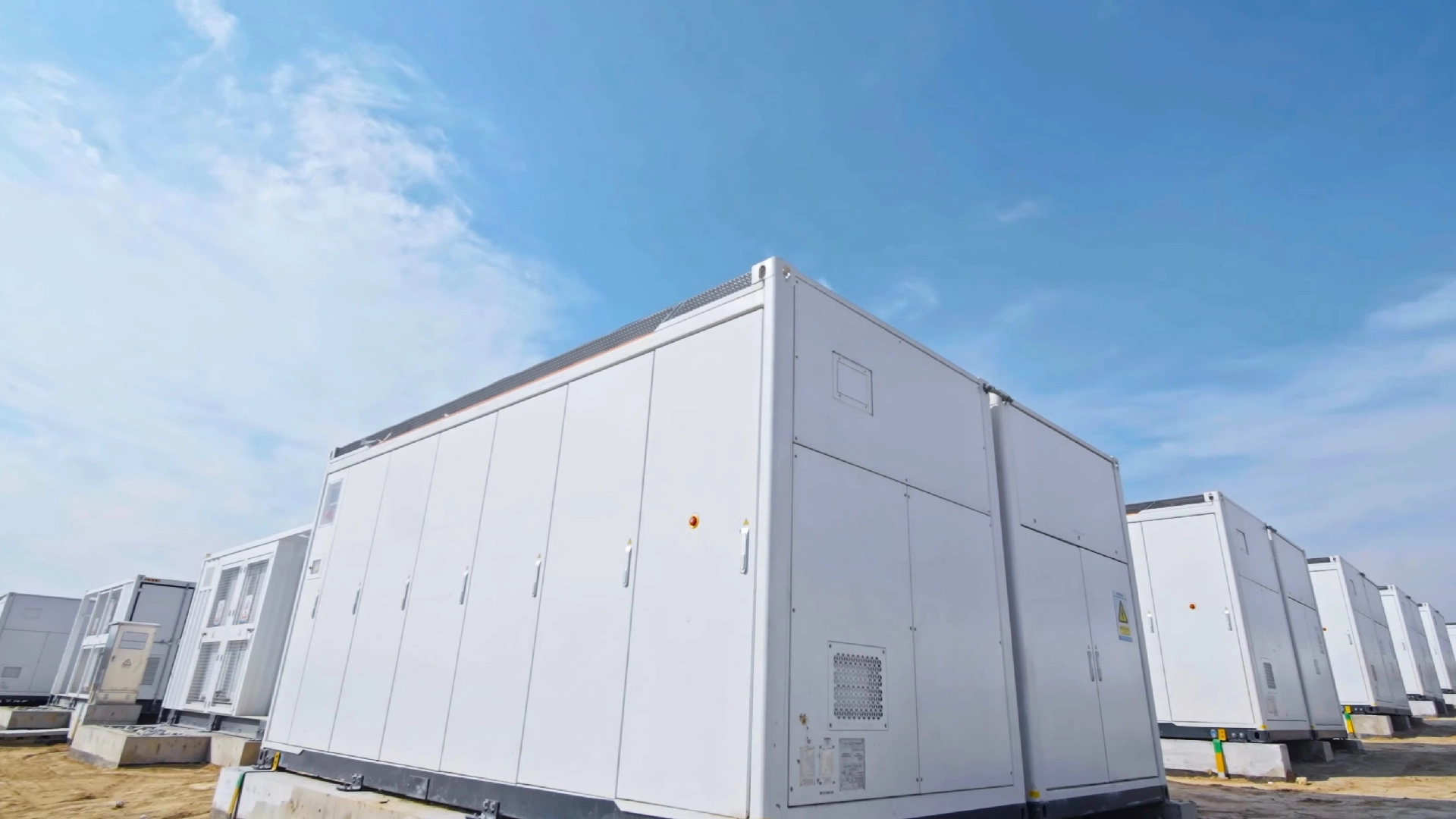
- Battery enclosure and safety systems – Commercial battery units are typically housed in purpose-built cabinets or enclosures designed to protect the equipment. These enclosures may incorporate fire detection, alarm systems, ventilation, emergency shutdown mechanisms and other fire-safety measures.
- Metering and monitoring equipment – Smart meters, current transformers and monitoring systems measure electricity generation, consumption, imports, exports and battery performance. This information allows businesses to monitor efficiency, identify faults and assess the overall performance of the system.
- Grid connection and control equipment – For grid-connected commercial installations, additional equipment manages the connection between the battery system, the property’s electrical distribution network and the wider electricity grid. This can include transformers, grid protection devices and export-limitation controls, depending on the system’s size and design. These components help ensure that the installation operates within your site’s electrical capacity and applicable grid-connection requirements.

The Benefits of Solar Panel Battery Storage
Utilising solar panel battery storage comes with a range of benefits for your business:
- Maximise the benefits of your solar panels – Store excess electricity generated by your solar panels during the day to use when solar generation is lower.
- Reduce Energy Costs – Use stored solar energy during periods when electricity prices are higher, helping to reduce reliance on grid electricity.
- Improve Energy Efficiency – Make greater use of the electricity generated on-site rather than exporting surplus energy to the grid.
- Provide Backup Power – Maintain essential operations during instances of power outages with a reserve of additional power.
- Reduce Peak Demand – Use stored energy during periods of high electricity demand to help reduce peak power consumption and associated costs.
- Increase Energy Independence – Reduce dependence on the electricity grid by generating and storing more of your own energy.
- Support Sustainability Goals – Increase the proportion of renewable energy used by your business and help reduce scope 2 carbon emissions.
- Future-Proof Your Business – Benefit from greater flexibility as energy prices, demand patterns and electricity tariffs continue to change.
How to Choose a Battery Solar Storage System That Works for Your Business
When choosing the right solar panel battery storage solution for your business, there are a number of things you should consider:
- Assess Your Energy Usage – Consider your average energy usage, what times you use the most energy and how much your current solar panel system generates, including how much excess you typically generate.
- Battery Type – The most common solar batteries are either lithium-ion or lead-acid. Lithium-ion batteries are more efficient and typically require less maintenance, making them ideal for most commercial setups. Lead-acid batteries are cheaper upfront but have a shorter lifespan and lower efficiency, which may not suit businesses aiming for long-term savings.
- Scalability – Do you plan on scaling up your business operation in the future? If so, it’s important to choose a battery system that can be easily scaled up by adding more units to continue meeting your business needs. If this is the case, opting for a modular system would be the best option.
- Battery Capacity – Select a battery size that best matches your energy requirements, surplus solar generation and backup capacity. You should also consider factors such as usable capacity, efficiency, power output, cycle life, and expected lifespan.
- Compatibility with Your Solar Panel System – Make sure the battery is compatible with your existing or planned commercial solar PV system and inverter.
- Warranty and Support – Look for manufacturer warranties and reliable installers who offer monitoring and after-sales support, as well as fully insured installations.
- Budget and Payback – Compare the upfront cost with potential savings from increased solar self-consumption, reduced grid usage, and lower peak-demand costs. If the batteries are used for backup power, you could also take into account potential savings from downtime prevented.

Get More from Your Solar Panels with Ennovus Solutions
Whether you’re looking to get more from your existing solar panels, or you want to get started on your renewable energy journey, Ennovus Solutions can support your business with bespoke solutions.
Commercial solar panels
Whether you opt for roof mounted, ground or carport, we offer solar panel installation, from design and feasibility, through to installation and maintenance.
Battery storage
The ideal accompaniment to solar panels, our packaged battery storage and solar solutions come with a desktop assessment and site survey prior to installation, to help your energy go further.
Commercial wind turbines
Wind turbines are a great accompaniment or alternative to solar and offer consistent generation. We will assess your site and recommend the most appropriate technology for your business.
Energy efficiency building upgrades
From HVAC optimisation and LED upgrades to smart building management systems, our efficiency upgrades are the perfect way to reduce your energy costs and carbon footprint.
To take the next step towards reducing your energy costs and carbon footprint, get in touch with our team today to explore your options and get started.