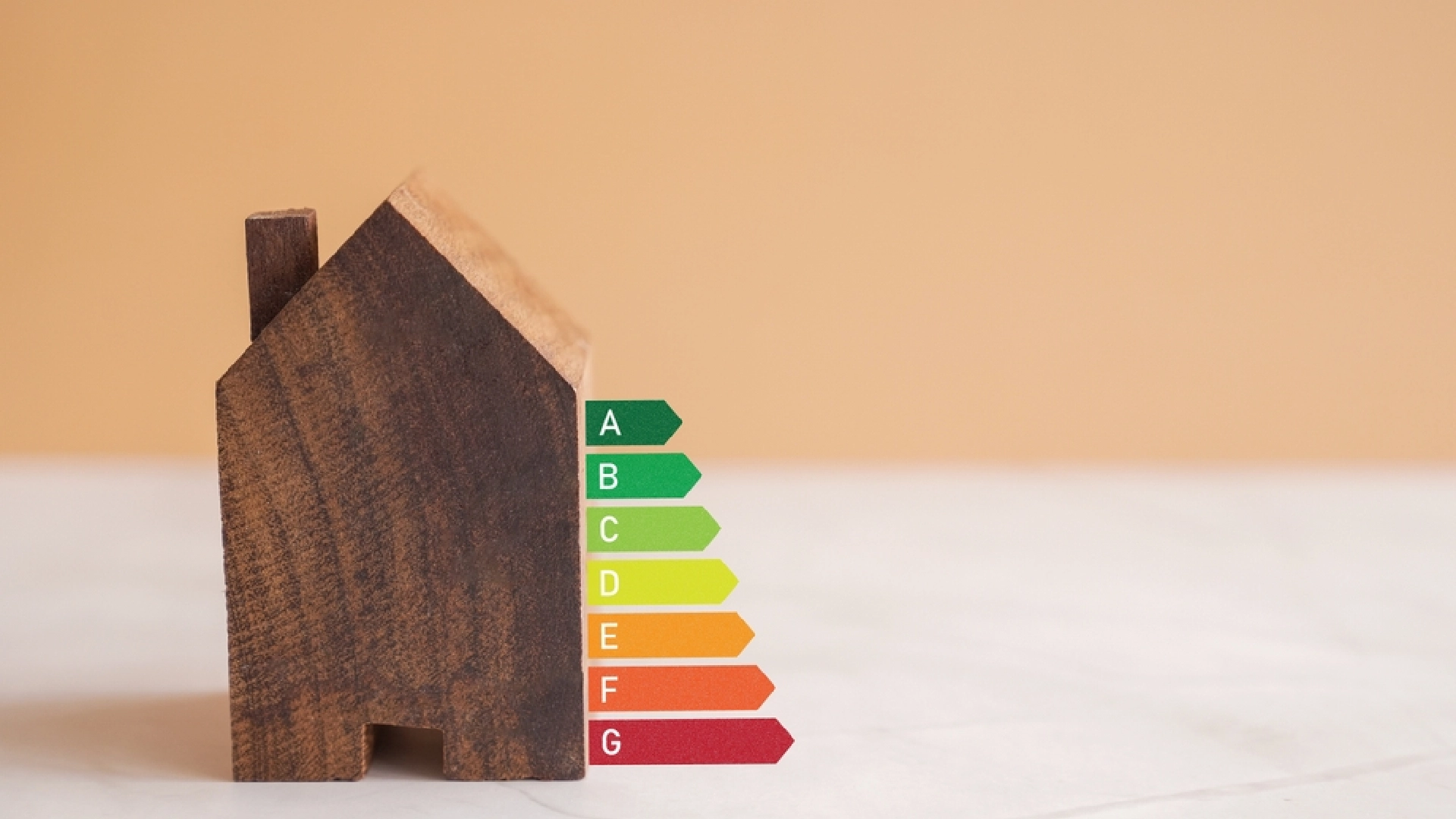
In schools, lighting is more than just a utility—it’s a tool that shapes learning environments, impacts energy costs, and influences the well-being of students and staff. Transitioning to LED lighting is a smart, sustainable, and future-focused decision for educational institutions across the UK.
Here’s why schools should switch to LED lighting and how it can revolutionise learning spaces.
Energy Efficiency: Cutting Costs and Carbon Emissions
LED lighting is up to 80% more efficient than traditional fluorescent or incandescent lights. This efficiency translates directly into cost savings and reduced environmental impact.
Lower Energy Bills
Schools can reduce their lighting costs by up to 60% by switching to LEDs.
Reduced Carbon Footprint
LEDs produce significantly fewer CO₂ emissions compared to traditional lighting, helping schools align with sustainability goals.
Longer Lifespan
LEDs last up to 50,000 hours, meaning fewer replacements and reduced maintenance costs over time.
Schools can reduce their lighting costs by up to 60% by switching to LEDs.
LEDs produce significantly fewer CO₂ emissions compared to traditional lighting, helping schools align with sustainability goals.
LEDs last up to 50,000 hours, meaning fewer replacements and reduced maintenance costs over time.
Enhanced Learning Environments
The quality of light directly affects student concentration, mood, and performance. LED lighting provides several advantages for creating optimal learning conditions.
Better Light Quality
LEDs deliver brighter, more uniform lighting with minimal flicker and glare, reducing eye strain for students and teachers.
Adjustable Colour Temperature
Warm, natural light during the morning can improve focus, while cooler light in the afternoon keeps energy levels up.
Reduced Noise
Unlike fluorescent lights, LEDs operate silently, minimising distractions in the classroom.
LEDs deliver brighter, more uniform lighting with minimal flicker and glare, reducing eye strain for students and teachers.
Warm, natural light during the morning can improve focus, while cooler light in the afternoon keeps energy levels up.
Unlike fluorescent lights, LEDs operate silently, minimising distractions in the classroom.
Improved Health and Well-Being
Lighting plays a key role in the health and well-being of students and staff.
Flicker-Free Illumination
LEDs reduce headaches and eye strain caused by flickering fluorescent lights.
Better Circadian Rhythm Support
LEDs can simulate natural daylight, helping regulate sleep cycles and boosting overall alertness.
Mercury-Free Technology
Unlike fluorescent lights, LEDs don’t contain toxic mercury, making them safer for the school environment.
LEDs reduce headaches and eye strain caused by flickering fluorescent lights.
LEDs can simulate natural daylight, helping regulate sleep cycles and boosting overall alertness.
Unlike fluorescent lights, LEDs don’t contain toxic mercury, making them safer for the school environment.
Compliance with Government Initiatives
The UK government is prioritising energy efficiency and sustainability, and schools are being encouraged to adopt greener technologies.
Energy Savings Opportunity Scheme (ESOS)
Schools can benefit from audits and funding to improve energy efficiency.
Net Zero Goals
By switching to LEDs, schools contribute to the UK’s target of achieving net zero carbon emissions by 2050.
T8 and T12 Ban
The recent phase-out of inefficient fluorescent tubes makes LEDs the preferred lighting option.
Schools can benefit from audits and funding to improve energy efficiency.
By switching to LEDs, schools contribute to the UK’s target of achieving net zero carbon emissions by 2050.
The recent phase-out of inefficient fluorescent tubes makes LEDs the preferred lighting option.
Funding and Grants for LED Upgrades
Many schools worry about the upfront costs of LED lighting upgrades, but there are several funding options available.
Energy as a Service Agreement
A no-cost option where providers install and maintain LEDs in exchange for shared savings.
A no-cost option where providers install and maintain LEDs in exchange for shared savings.
LED Innovations: Shaping the Classrooms of Tomorrow
Modern LED technology offers advanced features that can enhance school operations.
Smart Lighting Systems
Control lights remotely, adjust brightness, and monitor energy use.
Motion Sensors
Automatically turn lights on and off to save energy in unused areas.
Custom Designs
Tailored solutions for auditoriums, libraries, and sports facilities.
Control lights remotely, adjust brightness, and monitor energy use.
Automatically turn lights on and off to save energy in unused areas.
Tailored solutions for auditoriums, libraries, and sports facilities.
A Brighter Future for UK Schools
Switching to LED lighting is an investment in both education and sustainability. With significant cost savings, better learning environments, and reduced environmental impact, LEDs are the clear choice for schools aiming to create a brighter, healthier, and more efficient future.